Impact deformation
The hammer delivers repeated blows so the hot workpiece flows between flat dies or shaped dies.
Industrial metal forming reference
A practical English guide to forging hammer types, working principles, parts, process use, selection factors and safety basics for open-die and closed-die forging.
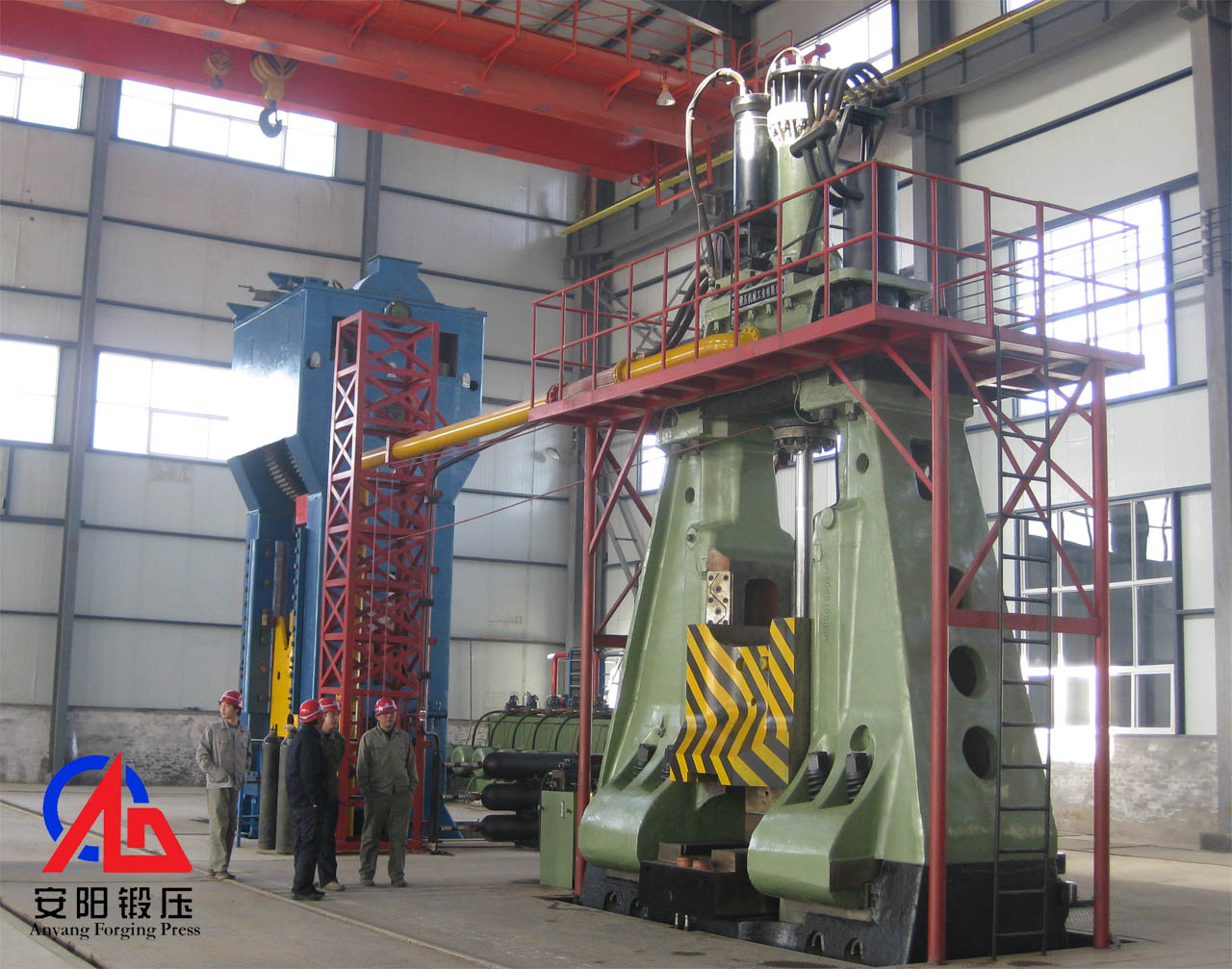
A forging hammer is a metal forming machine that shapes heated metal with repeated impact blows. The falling ram, also called the tup, transfers energy through dies to deform the workpiece. Forging hammers are used when high impact energy, fast deformation and operator control are useful for producing strong forged parts.
Forging hammers are still widely used because impact forging can fill dies quickly, refine metal grain flow and handle a wide range of shapes. Modern hammer systems may be mechanically simple, self-contained pneumatic designs or fully hydraulic CNC systems with programmable blow energy.
The hammer delivers repeated blows so the hot workpiece flows between flat dies or shaped dies.
Open-die work often changes length, section and hole shape before later machining or heat treatment.
Closed-die hammers are common for high-volume blanks such as hand tools, hardware and vehicle forgings.
Hammer names can describe the power source, the forging method, or the die arrangement. The same machine may belong to more than one category, such as a hydraulic closed-die forging hammer.
Self-contained air power
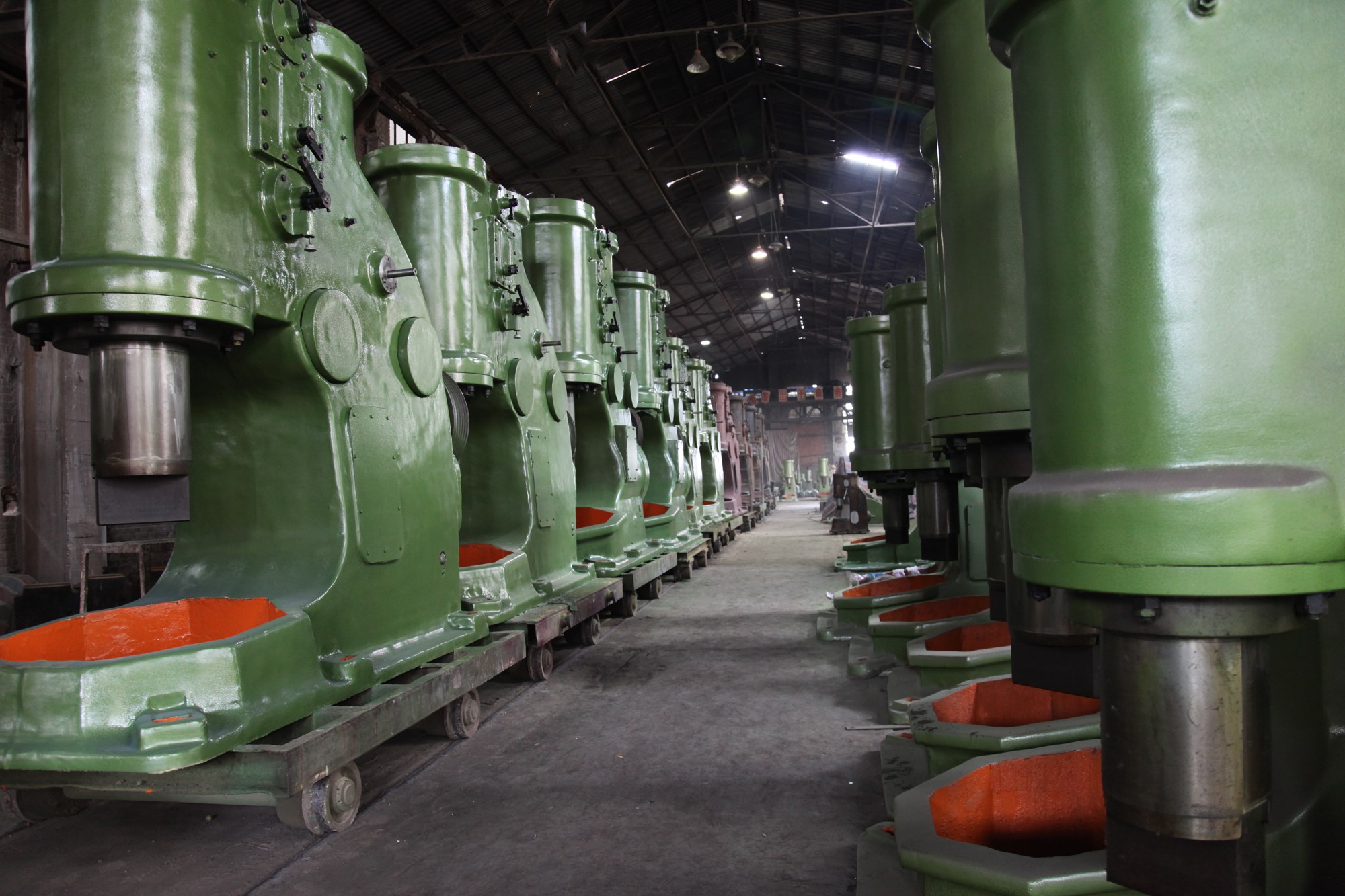
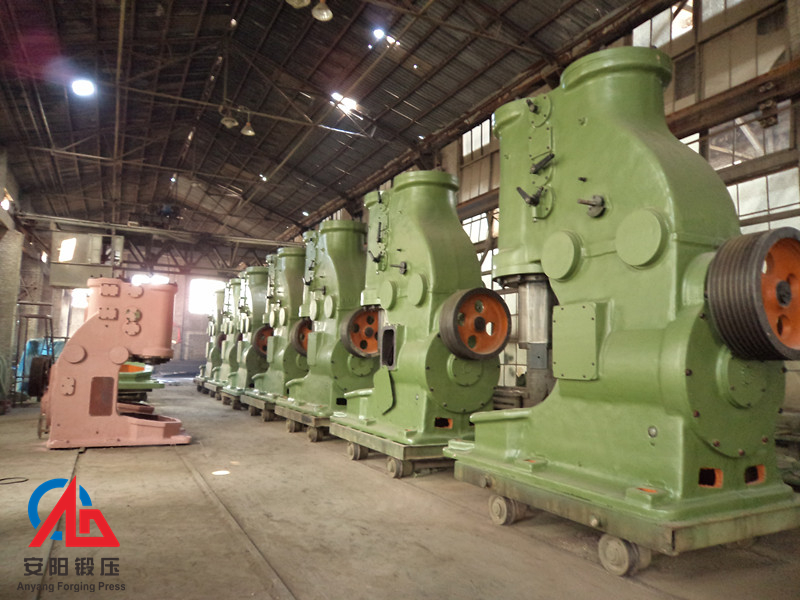
A pneumatic hammer uses compressed air inside the hammer body to move the ram. Self-contained models do not require an external air compressor and are common for general open-die forging.
Oil pressure drive
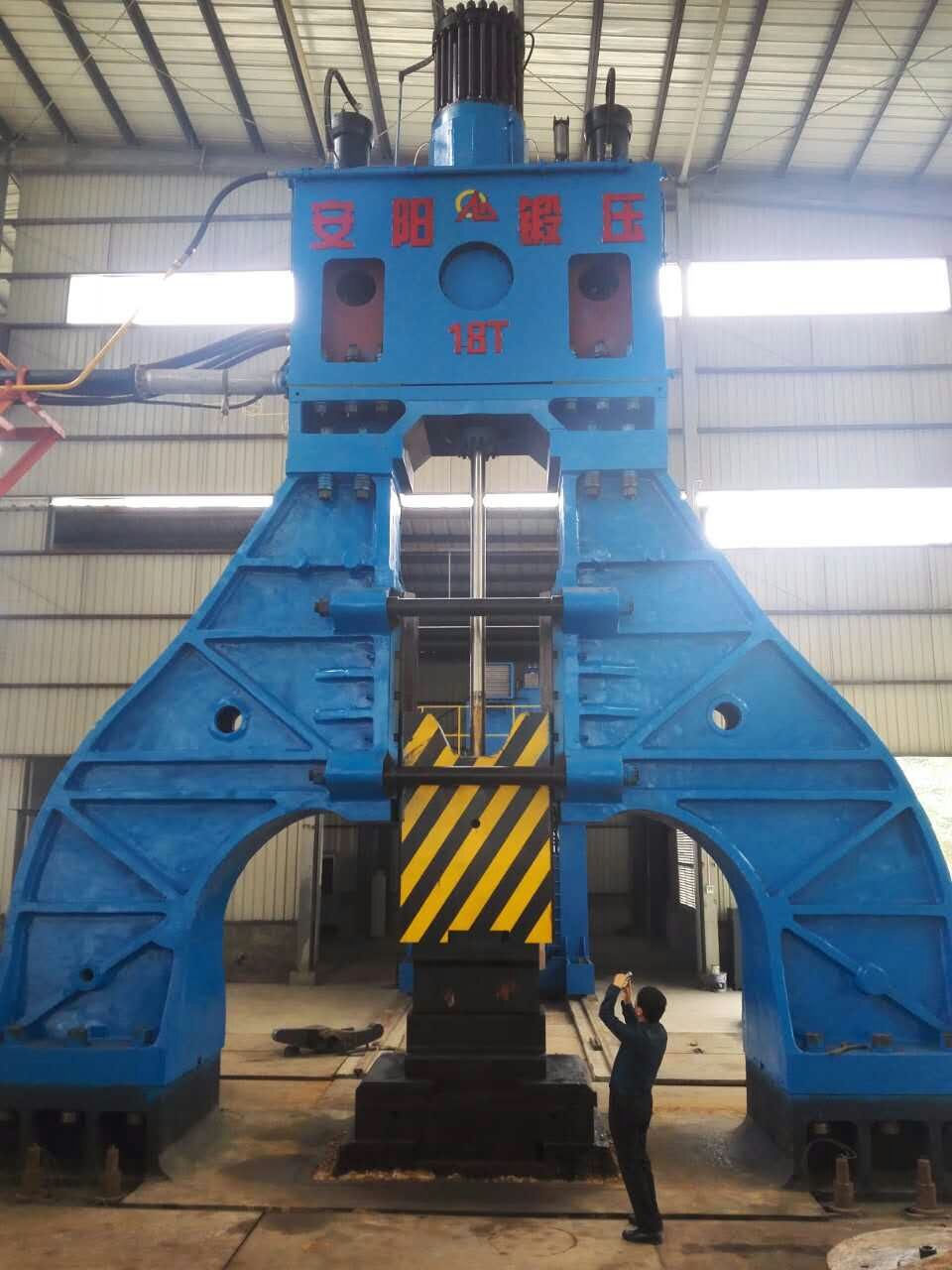
A hydraulic open-die hammer uses hydraulic pressure to lift, drive and control the ram. It is suited to heavy open-die forging where energy control and high working frequency matter.
Programmable precision
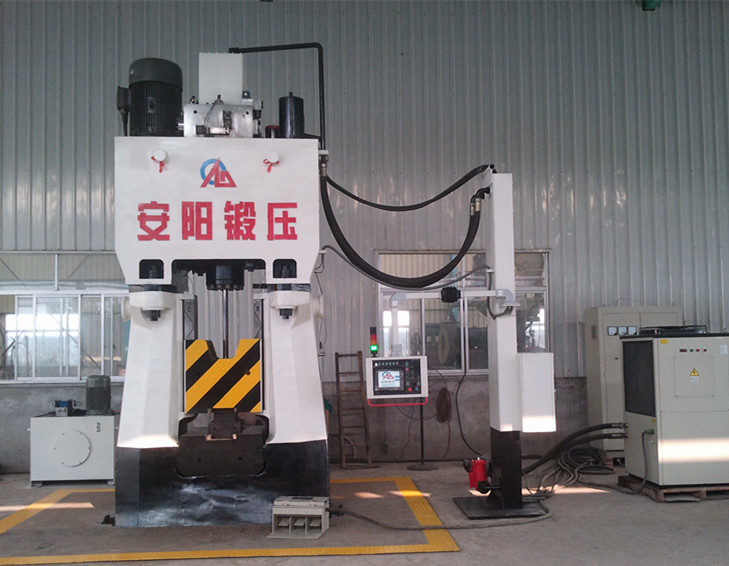
A CNC hydraulic die forging hammer uses programmable blow energy and shaped dies. It is used for repeatable production of near-net forgings.
The essential cycle is simple: store energy, accelerate the ram, strike the hot workpiece, then recover for the next blow. Different hammer types use different power systems, but the forging result depends on impact energy, die contact time, material temperature and operator or control-system timing.
Mechanical, air, steam or hydraulic systems prepare the ram for the blow.
The tup moves downward and converts stored energy into impact velocity.
The workpiece flows between dies; repeated blows build the final shape.
Operators check shape, temperature and scale before continuing the route.
Use the glossary filter to find common hammer components and what they do.
The moving mass that carries the upper die and delivers impact energy to the workpiece.
The heavy lower support that absorbs impact and carries the lower die or die holder.
Flat or shaped tooling surfaces that contact the hot metal and define the forging geometry.
The structural body and guide surfaces that keep the ram aligned through repeated blows.
Controls air, steam or oil flow so the ram can idle, rise, descend, strike or stop.
Convert air or hydraulic pressure into controlled ram motion.
Reduces wear, helps seal moving parts and supports long service life under shock loading.
Supports the hammer and controls vibration transmission to the workshop floor.
Exact values vary by manufacturer and model. The table below is a practical selection-oriented comparison.
| Type | Best For | Strengths | Watch Points |
|---|---|---|---|
| Pneumatic hammer | General open-die forging, workshops, repair and medium production | Simple operation, flexible blows, no external air supply for self-contained designs | Requires correct lubrication, foundation and trained operation |
| Hydraulic open-die hammer | Large shafts, discs, rings and heavy free forgings | High energy, controllable stroke, efficient modern drive | Hydraulic system cleanliness and maintenance are critical |
| CNC closed-die hammer | Precision batches of automotive, hardware, hand tool and aerospace blanks | Programmable blow energy, repeatable quality, automation friendly | Requires die design, heating control and stable billet preparation |
| Steam-air hammer | Legacy heavy forging lines | Very high impact capacity and long industrial history | High energy consumption and auxiliary plant requirements |
Confirm material, billet size, final size, single-piece weight and required deformation.
Use open-die forging for flexible shapes and closed-die forging for repeatable near-net blanks.
Match blow energy, ram weight and stroke to the workpiece section and material temperature.
Coordinate furnace, manipulator, trimming, cooling, heat treatment and inspection capacity.
Verify foundation, power, hydraulic oil handling, noise control, lifting access and safety zones.
Useful inquiry data includes drawing, material grade, billet dimensions, forged weight, hourly output target, die type, heating temperature, workshop layout and available utilities.
Forging hammers are high-energy machines. Operators should follow the machine manual, plant safety procedures and local regulations.
Do not cold forge material intended for hot forging. Low temperature can damage dies, overload the machine and create cracking.
Never strike the upper and lower dies together without hot work material between them.
Apply the foot pedal or lever progressively. Stable control helps prevent sudden overblows and workpiece movement.
Check oil supply, seals, guide surfaces and moving components before production shifts.
Keep die faces clean and use suitable handling tools or manipulators for hot workpieces.
Monitor vibration, anchor condition and surrounding floor integrity as part of routine inspection.
A forging hammer forms metal with impact blows and short contact time. A forging press forms metal with slower, continuous pressure. Hammers are often chosen for fast deformation and die filling, while presses are often chosen for controlled deep deformation and lower impact vibration.
In industrial use, pneumatic forging hammer and air hammer are often used for similar machines. A self-contained pneumatic hammer has its air compression system inside the hammer body, so it does not need a separate plant air compressor.
Blow energy is the impact energy delivered by the ram to the workpiece, commonly expressed in kilojoules for industrial hammers. It depends on ram mass, velocity, stroke and drive system.
CNC hydraulic closed-die hammers are widely used where repeatable blow energy and precise die filling are required, such as automotive parts, hand tools and hardware forgings.
Provide the drawing, material, billet size, target forging size, forged weight, production volume, available heating equipment, die plan and workshop limitations.